|
|
|
|
| Total: 33 tours |

|
|

|
|
|
|
| Beijing and Chengde Tour | from $551.00 USD |
|
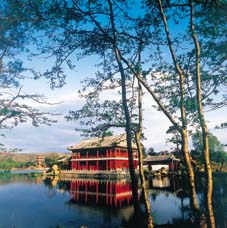
| Enjoy your spectacular trip to Chengde, one of China's leading scenic spots and the world's largest imperial garden, which served as the summer resort for emperors of the Qing Dynasty. |
|
|
|
| |
|
|
|
| Beijing and Xian Trip |
from $938.00 USD |
|
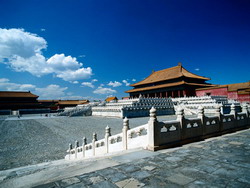
| China's long history has seen many glorious empires and the rise and fall of the cities that hosted dynasties. The Emperors left unbelievable monuments to their power which we can marvel at today. |
|
|
|
| |
|
|
|
| Train Express Tour Beijing to Xian |
from $280.00 USD |
|
| Xi'an has been the capital of eleven dynasties for more than 2000 years. There are important sites and relics in this city. The Terracotta Army of Qin Emperor, is regarded as the eighth wonder of the world. |
|
|
|
| |
|
|
|
| Tibet and Central Kingdom Tour | from $3,014.00 USD |
|
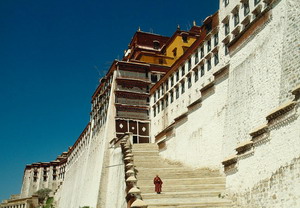
| You may find so much natural beauty & finest examples of China natural history and beauty. As the "Roof of the World," Tibet has long been a favored destination for tourists from around the world. |
|
|
|
| |
|
|
|
| Beijing, Xian and Silk Road Travel |
from $2,228.00 USD |
|
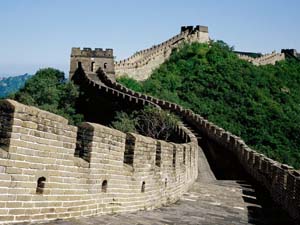
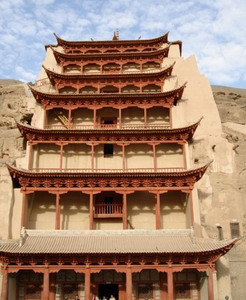
| Follow the route of the Silk Road, a natural intersection of ancient pathways leading from the capitals of Rome, Persia, Mongolia and China. Visit Badaling Great Wall in Beijing, Terra-cotta Warriors and Horses in Xian, Mogao Caves in Dunhuang, Bezaklik Thousand Buddha Grottoes in Turpan, Heavenly Lake in Urumqi, Idigar Mosque in Kashgar. |
|
|
|
| |
|
|
|
| Beijing, Xian, Shanghai Train Tour |
from $1,163.00 USD |
|
| Traveling by train in China is more popular for Chinese. As more and more new express trains are available now, many foreigners like taking overnight train Beijing/Xian, Xian/Shanghai. We provice this short train trip for people who like closer tourch to Chinese culture and people. |
|
|
|
| |
|
|
|
|
|
|
| Tailor make a trip |
Design your own tour with our help to meet your unique interests, You don't have to compromise, do exactly what
you want to do! Let us assist you to tailor-make your own China Experience. |
 Tell us what you need now Tell us what you need now |
|
|
Testimonials |
| We wish to thank you and your staff for putting together a tremendous tour package. Our tour guide was most helpful in pointing out significant facts and observations throughout the tour. |
|
More timonials> | |
|